Things that surround us, 2024-2025
This series of works traces a boundary between two worlds — that which exists in immediate, tangible reach, and that which is born among pixels, screens, and flickers of light. It is an attempt to understand how the digital and the real feed into one another, overlap, challenge each other, and at times even heal. These are reflections on the sensation that arises at the moment when reality becomes a stream of data, and data becomes our reality.
Creative practice here becomes a bridge between two worlds — a path that leads from presence to reflection, and from reflection back to presence. Each work, each image, each connection between hand and screen becomes an attempt to restore equilibrium between the world seen by the eyes and the world that lives within each of us.
In this series, I deliberately seek out what is ordinarily ignored or even concealed — worn surfaces, ungainly forms, real situations, each carrying its own story and something true. It is precisely within the apparently ugly and the unrefined that I find something genuine. The images were taken across various locations — Riga (Latvia), Nakotne (Latvia), Graz (Austria), Salzburg (Austria), Vienna (Austria), Paris (France).
Creative practice here becomes a bridge between two worlds — a path that leads from presence to reflection, and from reflection back to presence. Each work, each image, each connection between hand and screen becomes an attempt to restore equilibrium between the world seen by the eyes and the world that lives within each of us.
In this series, I deliberately seek out what is ordinarily ignored or even concealed — worn surfaces, ungainly forms, real situations, each carrying its own story and something true. It is precisely within the apparently ugly and the unrefined that I find something genuine. The images were taken across various locations — Riga (Latvia), Nakotne (Latvia), Graz (Austria), Salzburg (Austria), Vienna (Austria), Paris (France).

Riga, Latvia, 2024, Klavs Puiditis
Inspiration as Presence
The creative process begins with quiet observation. A walk becomes a ritual — not a journey from point A to point B, but a genuine act of being. Inspiration arises when you allow yourself to disappear into the moment, when your gaze no longer scans but truly looks. When the noise of the city becomes a rhythm, and a chance ruined building becomes a form that later transforms into an idea.
Inspiration does not arise only in nature or in solitude. It emerges equally in noisy environments, unfamiliar places, foreign countries, in architecture, movement, music, images, and soundscapes that briefly open something interior.
A thought is not yet formed, yet the body already senses a direction. Lines on paper become an impulsive process, a passage between the conscious and the unconscious. It is an intuitive movement that gathers what has been seen, felt, and experienced, and transforms it into form.
Inspiration does not arise only in nature or in solitude. It emerges equally in noisy environments, unfamiliar places, foreign countries, in architecture, movement, music, images, and soundscapes that briefly open something interior.
A thought is not yet formed, yet the body already senses a direction. Lines on paper become an impulsive process, a passage between the conscious and the unconscious. It is an intuitive movement that gathers what has been seen, felt, and experienced, and transforms it into form.
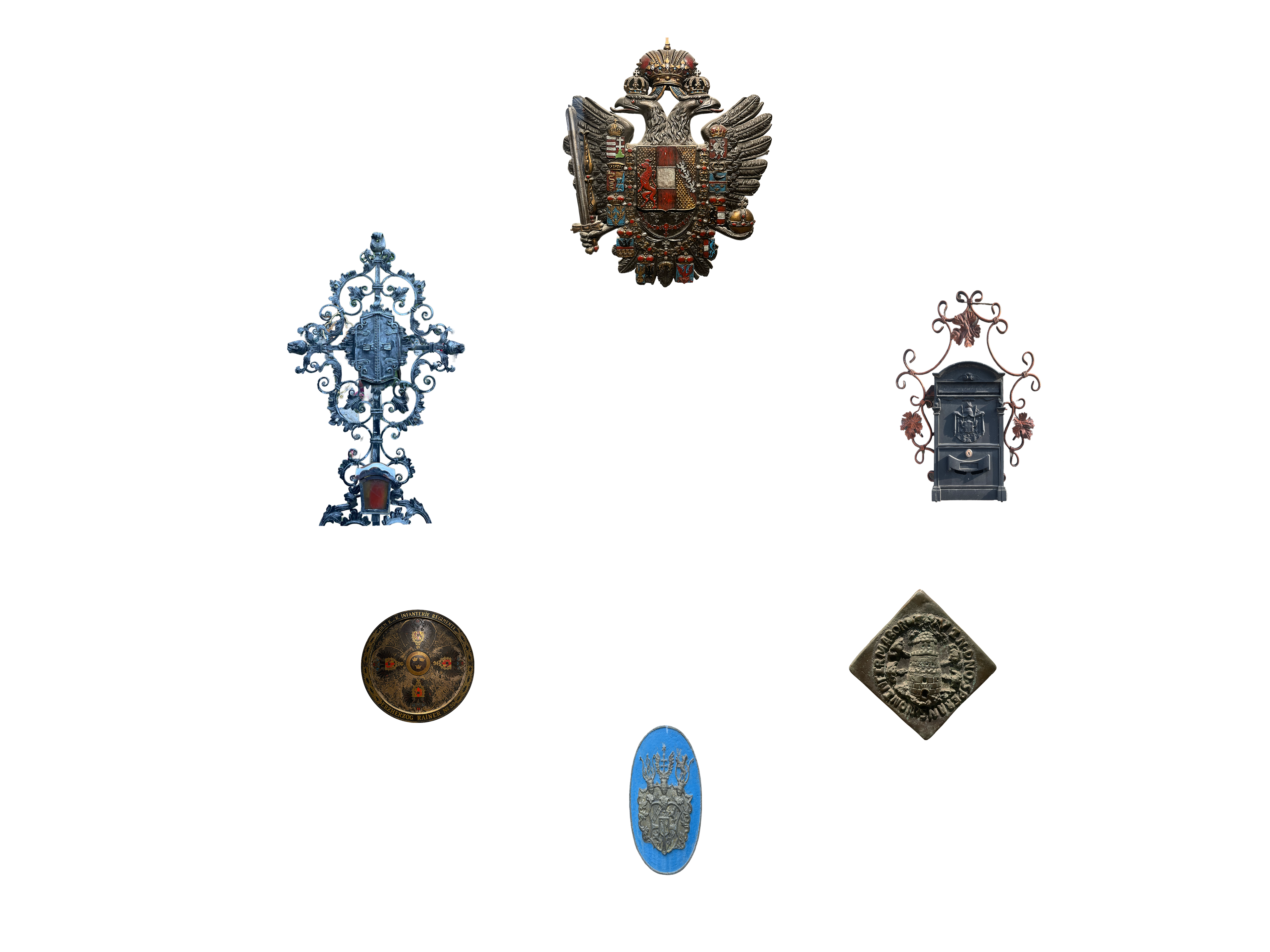
After a while, the physical work becomes digital. The work is entered into the computer, reworked, expanded, broken into layers. A hand-drawn piece is reinterpreted — sometimes redrawn on a tablet, sometimes processed with digital tools that reveal different qualities of light, texture, and space.
The digital in this work is not a destination, but a continuation. It is a second breath. At points, drawing meets photography — real objects and situations that once took place. These photographs are part of life, fragments of moments that caught the eye, provoked thought, or stirred an emotional response. Sometimes a photograph is transformed, at times distorted, at times only lightly touched. This encounter between drawing and photography creates a new reality — an intermediate state between reality and its interpretation.
The digital in this work is not a destination, but a continuation. It is a second breath. At points, drawing meets photography — real objects and situations that once took place. These photographs are part of life, fragments of moments that caught the eye, provoked thought, or stirred an emotional response. Sometimes a photograph is transformed, at times distorted, at times only lightly touched. This encounter between drawing and photography creates a new reality — an intermediate state between reality and its interpretation.

Salzburg, Austria, 2025, Klavs Puiditis
The Ugly

When creating art, and this concept of Things That Surround Us in particular, what becomes most important is often the act of looking itself — the attempt to find beauty in what the everyday gaze dismisses as ugly, insignificant, or incidental. In the contemporary digital age, where everything is processed, filtered, smoothed, and adjusted toward perfection, a sense of oversaturation sets in — beauty loses its power to enchant.
This series of works is therefore an exploration in the opposite direction — toward that which appears discordant, imperfect, at times even unsettling. It is precisely there that life resides. A crumbling building facade, a dented car, a patch of tar on asphalt, or a digital accident that becomes a bearer of beauty. This aesthetic of the ugly is not a resistance to beauty, but an attempt to expand it — to draw something different from the familiar order and grant it a fresh breath that recalls something primal.
In this way of seeing, the ugly becomes a path toward a different kind of perception. It reminds us that beauty can also be deformed, broken, or unfinished. It is within this fragility that the possibility of feeling something new arises.
This series of works is therefore an exploration in the opposite direction — toward that which appears discordant, imperfect, at times even unsettling. It is precisely there that life resides. A crumbling building facade, a dented car, a patch of tar on asphalt, or a digital accident that becomes a bearer of beauty. This aesthetic of the ugly is not a resistance to beauty, but an attempt to expand it — to draw something different from the familiar order and grant it a fresh breath that recalls something primal.
In this way of seeing, the ugly becomes a path toward a different kind of perception. It reminds us that beauty can also be deformed, broken, or unfinished. It is within this fragility that the possibility of feeling something new arises.

Too Much
Digital space frequently produces a sense of saturation — an overwhelming supply of new information that can be intensely stimulating to the human mind. This sensation becomes a kind of background noise, one that tends to obscure the ability to see what is happening around us. Things That Surround Us is an attempt to restore that vision — a counter-response to visual excess. It is an invitation to stop, to observe, to notice what is right here, rather than to lose oneself in hours of accumulated digital content.

The boundary between the digital and the real grows more indistinct with each passing day. It is a transparent zone, where both worlds continuously influence one another. The digital reflects the real, yet at times the real itself begins to resemble the digital. This unceasing interplay becomes the fabric of our everyday lives, across the many different paths we each walk.

Vienna, Austria, 2025, Klavs Puiditis
Consumer Culture
Saturation is the boundary between enough and more. Today, that line is no longer easy to discern — everything urges us onward, always further. Yet in truth, that boundary lies within us. Each person must decide for themselves where consumption ends and presence begins.
Anxiety, in this context, is the body's signal — the moment of reaching capacity. It is a reminder to stop. To feel, to breathe, to look around. Not to escape, but to return.
There is no clear answer to the question of whether it is normal to feel anxiety every day, or whether it is normal to fear expressing oneself. But perhaps it is precisely within this uncertainty that art is born. Not as a solution, but as a path. As an alternative to a culture of overconsumption — to create in order to release, rather than to consume.
Anxiety, in this context, is the body's signal — the moment of reaching capacity. It is a reminder to stop. To feel, to breathe, to look around. Not to escape, but to return.
There is no clear answer to the question of whether it is normal to feel anxiety every day, or whether it is normal to fear expressing oneself. But perhaps it is precisely within this uncertainty that art is born. Not as a solution, but as a path. As an alternative to a culture of overconsumption — to create in order to release, rather than to consume.
Anxiety
For a long time, anxiety in my life was a quiet background presence that imperceptibly became the norm. I was not aware of it. It was not merely a feeling or a mood — it was an everyday reality that determined how I saw the world, how I moved through it, how I created. Every time I wanted to show something, that sensation began to grow within me.
Making work but never sharing it, constantly comparing oneself to others — this can lead to placing too much focus on what is happening outside rather than within. Every unfamiliar work became a measure, every image or idea a reason for doubt.
Yet it is precisely through these sensations that art begins to take on a different meaning. It becomes a form of expression that allows one to live through anxiety. This feeling is not only an obstacle — it can be a form, a colour, a movement. It can be a language through which it is possible to speak.
Making work but never sharing it, constantly comparing oneself to others — this can lead to placing too much focus on what is happening outside rather than within. Every unfamiliar work became a measure, every image or idea a reason for doubt.
Yet it is precisely through these sensations that art begins to take on a different meaning. It becomes a form of expression that allows one to live through anxiety. This feeling is not only an obstacle — it can be a form, a colour, a movement. It can be a language through which it is possible to speak.

Each work was an attempt to understand these feelings. Is this normal? Am I too soft? Surely I won't be the fragile one who shares all this? And yet that was the key to this catharsis.
The digital world amplifies all of this — like steroids. There are no boundaries; you are always visible, comparable, subject to judgement. Anxiety transforms into an algorithm. It feeds on attention. But the more you try to fit in, the less of what is genuine remains.
Anxiety can also be a driving force — it can help clarify what truly matters. It can serve as a bridge between the artist and the world.
The digital world amplifies all of this — like steroids. There are no boundaries; you are always visible, comparable, subject to judgement. Anxiety transforms into an algorithm. It feeds on attention. But the more you try to fit in, the less of what is genuine remains.
Anxiety can also be a driving force — it can help clarify what truly matters. It can serve as a bridge between the artist and the world.

Paris, France, 2025, Klavs Puiditis
Collage


Graz, Austria, 2025, Klavs Puiditis


Vienna, Austria, 2025, Klavs Puiditis


Salzburg, Austria, 2025, Klavs Puiditis


Salzburg, Austria, 2025, Klavs Puiditis


Riga, Latvia, 2025, Klavs Puiditis


Riga, Latvia, 2024, Klavs Puiditis


Nakotne, Latvia, 2024, Klavs Puiditis


Riga, Latvia, 2025, Klavs Puiditis

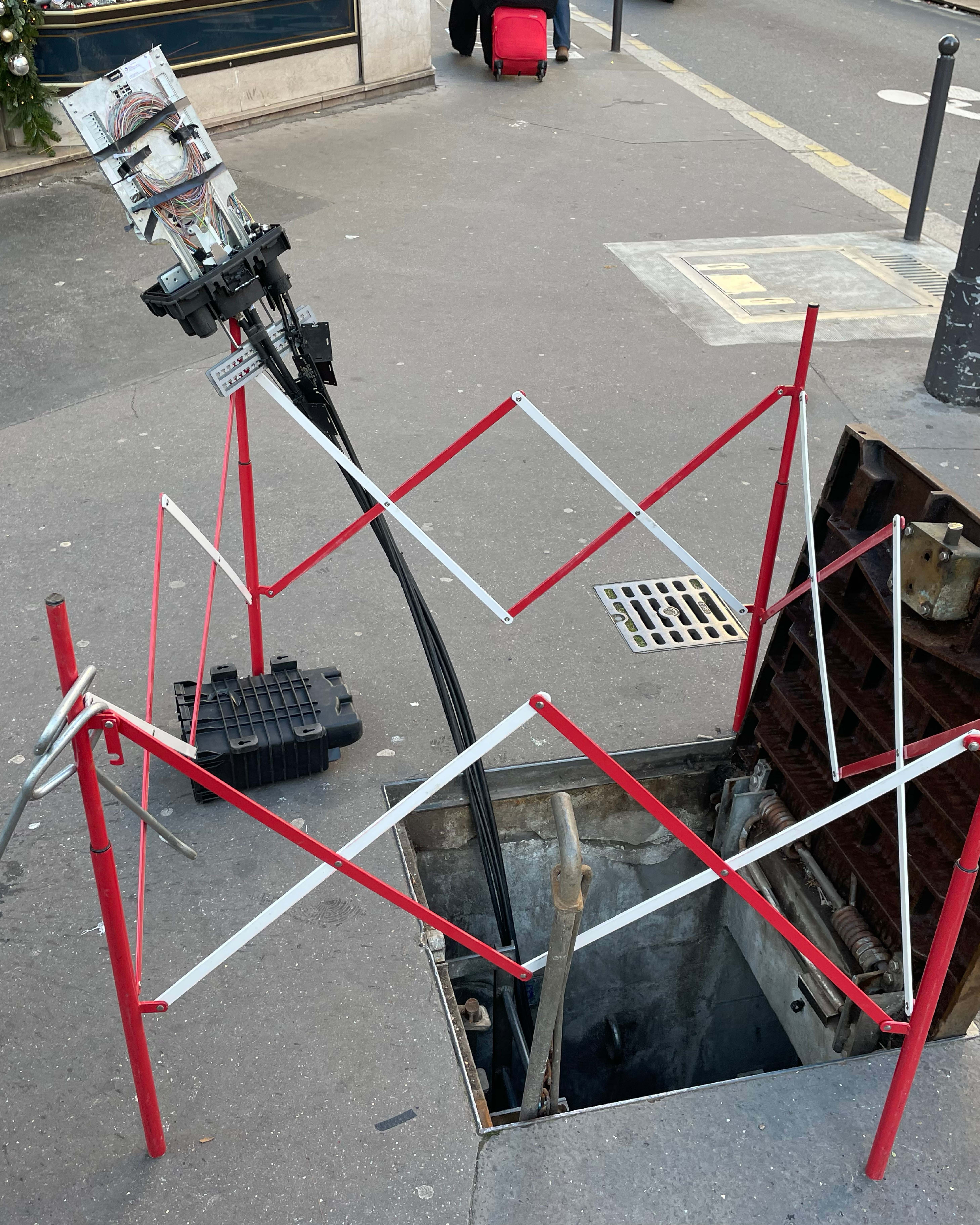

Paris, France, 2025, Klavs Puiditis


Riga, Latvia, 2025, Klavs Puiditis